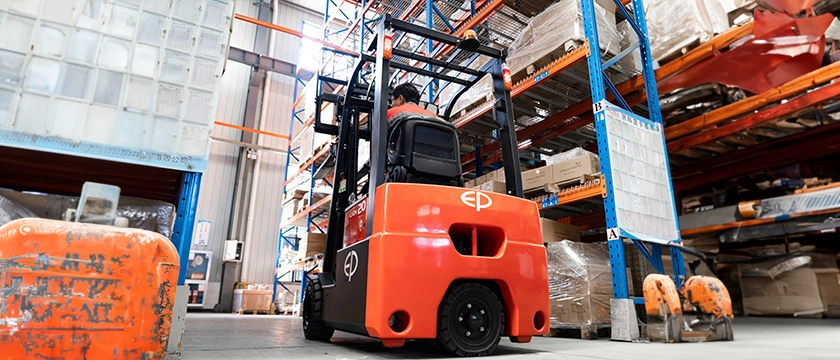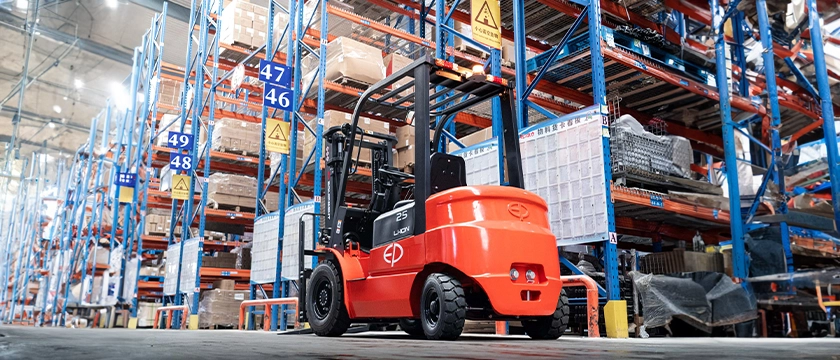





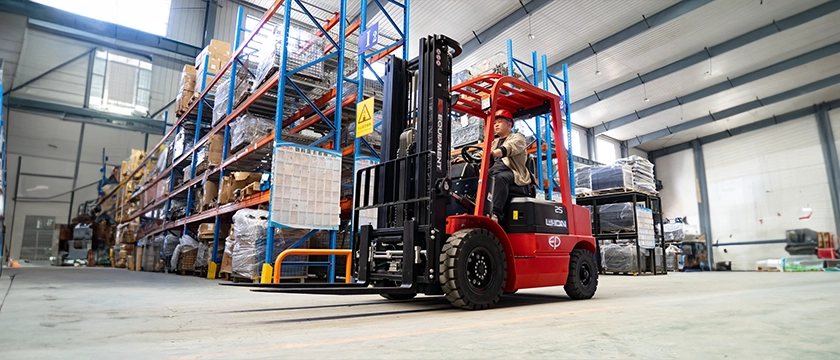
Electric forklifts play a crucial role in meeting the material handling and storage needs of industrial enterprises. However, regular maintenance and proper operation are essential for these machines to function safely and have a long lifespan. In this blog post, we will discuss the maintenance and operation of electric forklifts in detail.
1. Maintenance of Electric Forklifts:
Regular maintenance of electric forklifts is vital for enhancing machine performance, ensuring safety, and prolonging their lifespan. Here are some key steps for maintaining electric forklifts:
a. Battery Maintenance: The battery is the most critical component of electric forklifts. It is essential to charge the battery regularly, check the water levels, and clean it. Additionally, protecting the battery from over-discharge is crucial.
b. Tire Maintenance: Tires should be checked frequently and replaced as necessary. Wear and damage can adversely affect tire performance and pose a safety risk.
c. Brake Inspection: Regular checks and adjustments of the brakes are important for safe operation. Any signs of brake wear or irregular operation should be addressed immediately.
d. Motor and Electrical Systems: The motors and electrical systems of electric forklifts should be inspected regularly. Disconnected or damaged wires can lead to malfunctions during operation.
e. Cleaning and Lubrication: Keeping the forklift clean and lubricated helps prevent friction and wear, contributing to efficient operation.
2. Operation of Electric Forklifts:
Proper and safe operation of electric forklifts ensures the safety of both the operator and the workplace. Here are some essential operational principles:
a. Training and Certification: Forklift operators must possess the necessary training and certification. They should know how to operate the machine correctly, how to carry loads, and how to maneuver safely.
b. Load Balance: Carrying loads in a balanced manner prevents the forklift from tipping over or unstable loads from falling. It is also essential to ensure that the load’s weight does not exceed the maximum capacity.
c. Speed Control: Forklift operators should adjust their speed according to workplace conditions and the environment. Excessive speed can increase the risk of accidents.
d. Maneuvering and Road Safety: Forklifts must maneuver properly and avoid collisions with other workers or machines. Adherence to safe driving rules in the workplace is essential.
e. Emergency Preparedness: Emergency plans and communication systems should be in place for fires, accidents, or other emergencies. Operators should be trained for such situations. Maintaining and operating electric forklifts not only enhances workplace efficiency but also ensures safety. Regular maintenance ensures that the machines have a long lifespan and that operations continue without interruption. Training operators and adhering to safety regulations help prevent accidents and injuries. Therefore, businesses must prioritize the maintenance and operation of electric forklifts.